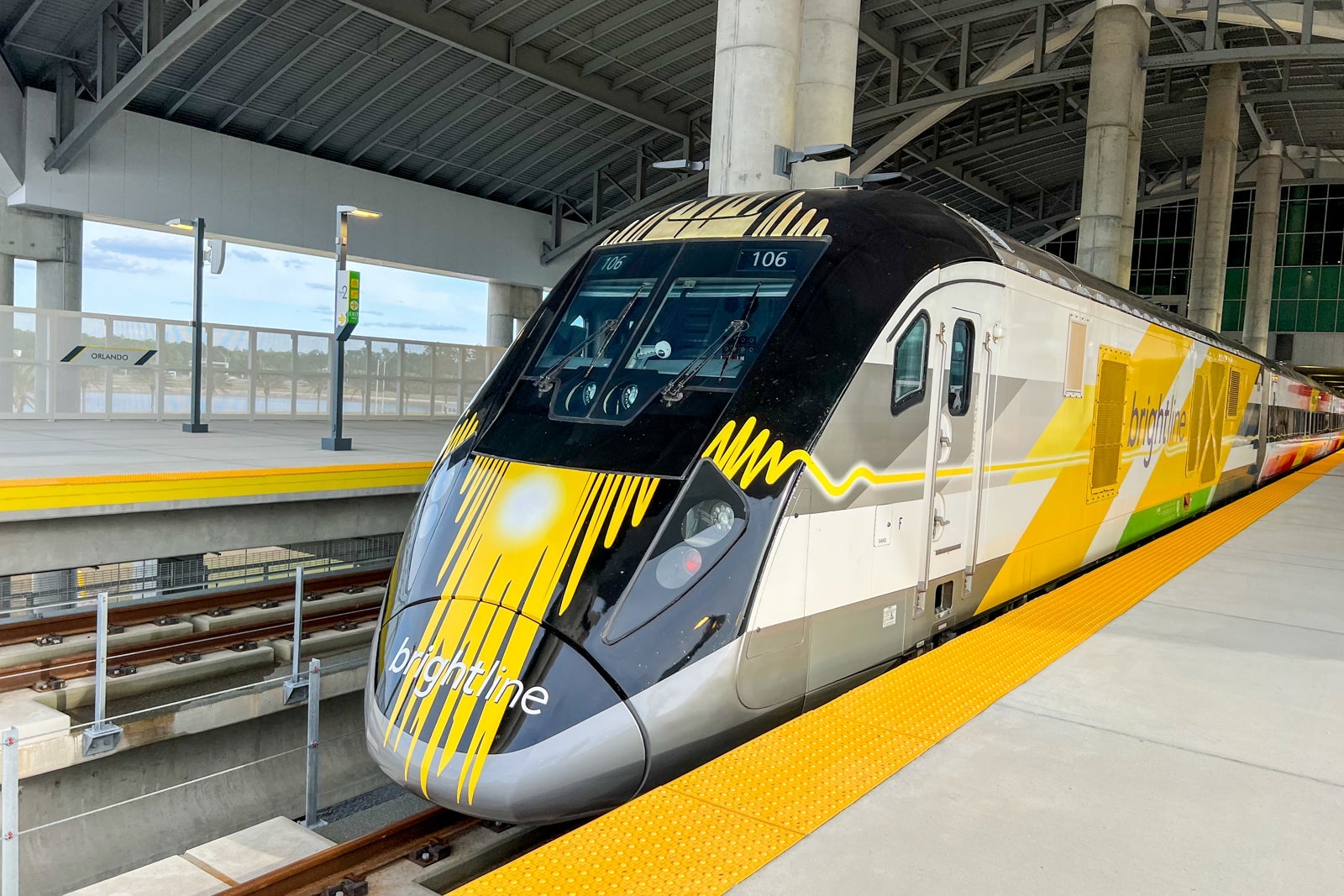
Brightline’s operating numbers and financial headlines are telling two different stories at the same time.
The Miami-based passenger rail service carried about 819,500 riders in the third quarter of 2026, an increase of roughly 11% from the same period a year earlier.
Revenue also increased.
At the same time, Brightline’s parent company entered Chapter 11 restructuring.
Demand is growing
The ridership increase matters because it shows consumers are using the service more, particularly for longer-distance travel.
September was especially strong, with year-over-year ridership gains and higher Premium-class usage.
That is an important operating signal.
Customers are not necessarily responding to the company’s capital structure. They are responding to whether the train is useful.
Financial stress can exist alongside product-market fit
This is the part of the story that is easy to oversimplify.
A business can have growing demand and still have an unsustainable balance sheet.
Infrastructure businesses are particularly exposed because they require enormous upfront capital.
Tracks, stations, trains, maintenance, technology, labor, and financing can create costs long before a mature ridership base exists.
PHQ take: attention and economics are different metrics
There is a parallel lesson for media businesses.
A podcast can grow views and still lose money.
A creator can gain followers while building an unsustainable production model.
A company can create excellent content without a clear revenue strategy.
Growth is evidence that something is working.
It is not proof that the economics are healthy.
What Brightline is trying to improve
The company has introduced new fare products and expanded ticket distribution.
Those moves matter because transportation businesses need more than passenger volume.
They need better yield, repeat customers, broader distribution, and stronger utilization of existing capacity.
The company’s rewards program and travel-trade partnerships are part of that operating strategy.
South Florida’s long-term transportation question
Brightline has become part of how residents and visitors think about moving between South Florida and Orlando.
That creates value beyond the company itself.
Rail connectivity can influence tourism, commuting, development around stations, event travel, and business mobility.
The question is whether the financial structure can be made durable enough to support that role.
The PHQ perspective
Brightline’s latest numbers are a useful reminder to separate product demand from corporate finance.
Nearly 820,000 quarterly riders suggests the service is solving a real transportation problem for a growing number of people.
The restructuring shows that solving a real problem does not automatically make the capital structure work.
Strong businesses need both.
Sources
Primary reporting and supporting material used for this article.